Qixiang Tengda (Zibo) Medical Materials Co., Ltd.
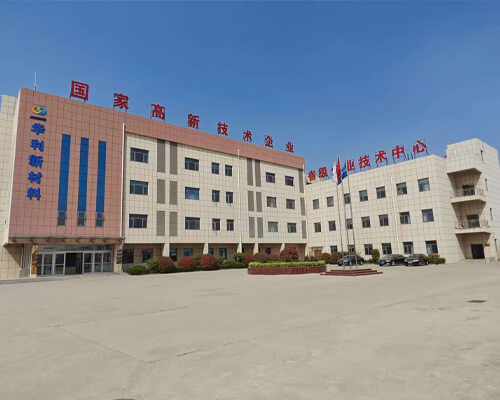
Building up a new company in medical materials takes more than advanced machinery and a solid concrete foundation. It means living through the dust, the design changes, and the constant negotiations with local planners in Zibo. Watching Qixiang Tengda (Zibo) Medical Materials Co., Ltd. rise up recently, it brings memories of our own early days—confronting uncertainty about supply chains, keeping technicians motivated through long shifts, and reading the expressions of skilled operators as they adjust to new digital controls. From this level, business isn’t numbers in a quarterly report, but trucks leaving the yard, laboratory technicians running late calibration checks, and voices echoing across steel halls. Many in our field see Zibo as an up-and-comer in Shandong’s chemical industry. The stories about newer medical material plants focus on tax incentives, low real estate prices, and logistics links. As a manufacturer with decades in polymer production and GMP-level cleanroom work, we recognize these as starting points. We have learned that talent grows more slowly than buildings. Operating continuous reactors, handling solvents, and fine-tuning sterile lines—real expertise never springs overnight. Training, working through minor incidents, and building trust among team members, these things fill each shift. A company like Qixiang Tengda will face the reality that reproducibility and quality must carry through every step, not just on sample days for government inspection.From environmental controls to batch traceability, regulatory pressure keeps rising each year. Factories now report volatile organic emissions, pull up wastewater discharge histories, and adhere to trace contaminant guidelines. Adding new capacity means more scrutiny, not just on paperwork but during unannounced plant visits. Our experience tells us the only way forward runs through prevention: careful layout, robust equipment maintenance, and immediate attention to anomalies. Too many firms cut corners at first, only to fall foul of stricter rules a year later. In Zibo's medical materials field, where polymer films or disposable devices touch patients’ lives, attention to detail decides who stays on the market and who folds after the first recall. Competition does drive rapid equipment upgrades, and automation has found its way into every modern facility. Sensor arrays track temperatures, pressures, and flow rates. Robot arms line up product for sealing and packaging, swerve out of each other's way, and seldom need a sick day. The role of the worker changes: less time on brute labor, more on real-time process adjustment and troubleshooting. We now look for people who can solve problems rather than just follow procedures by rote. The best chemical manufacturing teams build a sense of ownership—pride in consistent output, whether that’s sterile drapes, wound care dressings, or pharmaceutical delivery films.Trust in medical-grade production takes years to build and a single slip to destroy. We remember well the stress of qualifying as audited suppliers to global health brands. No loose files in the QA office, calibration logs always up to date, product samples that prove every claim on the technical data sheet. As Qixiang Tengda joins this field, their management will find that reputation rides on flawless consistency, not on the novelty of new brands or building size. Seeing a finished lot leave, with batch records complete and an end user protected, is the deep satisfaction we pass on to each new shift supervisor—one shipment at a time.Supply chains grow more complicated every season. Major raw materials, specialty additives, and packaging resins must coordinate precisely or production days are lost. We have lost hours to missed rail cars or late bulk tanks. Diligent logistics staff, who know which supplier can fill a rush order, keep the plant running smoothly. As medical materials producers, we also manage strict requirements on transport—sealed containers, temperature and humidity logs, and chain-of-custody records if customer audits call for them. Close supplier partnerships, sometimes built on personal trust more than formal contracts, keep our product lines moving even when the region faces labor shortages or power curtailments.Recurring questions about environmental and social responsibility shape every discussion we have with international customers today. From waste minimization projects to solvent recovery systems, large medical materials sites everywhere must invest beyond the minimum. Explaining how we trap every gram of dust, recover waste heat, and return processed water to the grid has become routine in technical meetings. Local communities notice odors and emissions, and company leaders who ignore these neighbors soon face more than regulatory complaints. As larger firms like Qixiang Tengda develop new capacity, integrating these systems into the project blueprint—not as later add-ons—will shape their survival in both export and domestic markets.Hiring remains the toughest challenge for any group scaling up rapidly. Attracting skilled operators, technicians, and engineers to chemical manufacturing in places like Zibo means competing with finance and tech, jobs that claim shorter hours and cleaner conditions. We counter that perception by showing our safe, modern lines, the pride in real process control, and the career path that manufacturing offers—from apprentice to technical group leader. The workplace itself forms a small society, where people trade solutions, share meals, and teach each other tricks that never show up in manuals. These relationships, built shift after shift, help us keep both experienced hands and new recruits engaged over the long haul.Every change in regulation, raw material market, or medical industry guideline triggers review of our own systems. We keep a running tally of customer requirements—low extractables, latex-free guarantees, bioburden limits, full traceability. Auditors now ask about carbon footprint and ESG reporting, not just product lots and shelf life. This puts additional demands on integrated data systems and recordkeeping. Experience teaches that workflow bottlenecks often hide in outdated logs or missed cross-checks between IT and manufacturing teams. Regular drills and digital upgrades take time away from production but pay off through fewer recalls and stronger customer confidence. Pressure from hospital groups and pharma companies to lower costs never eases. Innovations such as solventless adhesives or modular production lines can offset some energy and labor strains, but the most durable advantage comes from an alert and invested workforce. Small insights—like an operator noticing a pattern in polymer consistency or a maintenance tech spotting a tiny leak—prevent major downtime. Flexibility in production, background knowledge passed from one crew to the next, and clear communication lines form the backbone of longevity in this business.Qixiang Tengda’s entry into medical materials underlines the momentum and optimism present in Shandong chemical industry right now. As direct manufacturers, we understand the hurdles ahead—the regulatory visits, the neverending skills shortage, the challenge to grow responsibly. These challenges spark the same energy and stubborn determination we’ve relied on for years. Only those who balance precision chemistry with human insight, and keep promises on every shipment, weather the shifts and volatility in this industry. For each new facility joining our ranks, we recognize both the welcome competition and the common ground: turning raw polymers into something that is trusted in clinics, labs, and homes around the world.