News

Latest news and updates from our company

Qixiang Tengda consolidates its leading position in the global MEK market
2026-03-17

Qixiang Tengda consolidates its leading position in the global MEK market

Qixiang Tengda’s growing presence in the global methyl ethyl ketone (MEK) market signals more than just business strategy—it speaks to changes reshaping the chemical industry itself. MEK, used in paints, adhesives, and coatings, touches daily life more often than people realize. Companies with skill in both producing and distributing it shape supply chains across continents. From my experience working with manufacturing clients, confidence in access to key chemicals can mean the difference between launching a product on time or falling months behind. When factories in Asia, Europe, and the Americas look to source MEK, reliability matters as much as price. Qixiang Tengda now draws attention because it manages to deliver both with consistency, even as global demand shifts and environmental pressures grow. Few things test a chemical producer like volatile markets. Prices can swing wildly from quarter to quarter, either from raw material shortages or sudden spikes in customer needs. Qixiang Tengda’s ability to maintain steady supply in recent years, despite tighter regulations and economic headwinds, builds real trust with partners. This kind of reliability never comes easy. It takes years investing in facilities, monitoring quality at every step, and working closely with clients to forecast demand. I’ve watched mid-sized manufacturers get squeezed out of contracts because they faltered on one of these fronts. Leadership requires more than extra production lines. It takes commitment to upgrade processes, adopt cleaner technologies, and back up promises with actual performance. In areas like energy efficiency and emissions controls, Qixiang Tengda has invested heavily—not just to check regulatory boxes but to win over stakeholders who expect accountability at every stage. For brands that value long-term resilience, especially in sectors like automotive or construction, these moves offer real peace of mind.Chemicals like MEK face growing scrutiny as industries worldwide tighten rules on emissions and waste. The world remembers too many incidents where companies cut corners and left communities or workers exposed. People want proof that their suppliers don’t gamble with safety or the environment. As the conversation around green chemistry gains urgency, Qixiang Tengda’s position puts it under a microscope. Meeting tougher standards—especially for wastewater treatment, workplace safety, and air purity—is not just a compliance check. It means investing in real-time monitoring, developing better catalysts, or switching to less polluting feedstocks. Competitors who resist these investments struggle to keep up. Qixiang Tengda’s bets on cleaner, more efficient production don’t just polish its public image. Forward-thinking customers, especially those with big ESG commitments, look for partners that go beyond the minimum. In this way, technical innovation becomes a tool for long-term competitive advantage, not just cost control.Trade frictions and shifting tariffs reshape where and how chemicals move around the world. During years working with raw material importers, I saw how quickly a single border dispute could choke off a reliable shipment and force manufacturers into desperate sourcing flurries. Qixiang Tengda’s agility in navigating these global currents sets it apart. By building out relationships with buyers on several continents and investing in logistics infrastructure, the company minimizes single points of failure—an approach that others sometimes dismiss until a crisis hits. This matters to any industry that considers risk management central to business survival. It is not only about shipping containers or customs paperwork but about establishing a network that can withstand disruption. When an earthquake, policy shift, or pandemic throws trade routes into chaos, companies with a flexible, diverse network pick up business that others lose. Qixiang Tengda’s forward deployment of inventory near consumer centers and flexible transportation agreements help it respond to sudden shifts more quickly than rivals tied to traditional routes.Every advance in industrial chemistry lands on the backs of skilled workers, experienced engineers, and partners worldwide. Companies often forget that reputation travels fast among those who run the machines and those who turn raw chemicals into finished goods. In my time in manufacturing plants, I saw morale falter or bloom based on how well workers trusted their company’s direction. Qixiang Tengda’s record on worker safety and community engagement influences loyalty and performance far more than many boardrooms realize. Plants that invest in regular safety training, open reporting of problems, and community outreach rarely see the labor disputes or costly shutdowns that plague less attentive firms. Practical things, like providing local schools with science education or cleaning up nearby waterways, may sound peripheral, but they build a foundation for growth that no marketing budget can manufacture. For customers, knowing that Qixiang Tengda stands behind not only its product but its people makes partnership less risky and more sustainable.Few industries feel change as quickly as chemicals. Growing MEK demand—in everything from battery manufacturing for electric vehicles to protective coatings—will always push companies to find new efficiencies. Yet, the pressure to minimize environmental footprints grows just as fast. Real solutions require more than tinkering around the edges; they need joint efforts between producers like Qixiang Tengda, customers, regulators, and even local communities. Early investment in recycling and recovery methods can turn waste streams into new products or energy sources. Partnerships with universities or tech startups introduce fresh ideas for greener processes or digital tools that predict production problems before they spiral. Moving beyond simple compliance, leaders will need to take up collaborative projects that reduce not just emissions at their plants, but through the entire downstream chain—from raw materials to end-of-life product recycling. This way, gains in MEK availability do not come at the expense of future generations’ health or an industry’s social license to operate.Consolidating a top spot in the MEK market means Qixiang Tengda faces as much risk as reward. Customers trust market leaders to stay ahead of the curve—adapting to sudden changes in regulations, technology, or global economics. In my years observing industrial change, I’ve learned that leadership earns respect only if maintained with honesty and humility. The pressure never truly lets up. Each new technology, consumer expectation, or regulatory wave brings new tests for agility and integrity. Competitors will respond by innovating in their own right. Qixiang Tengda’s future will rely on its willingness to invest not just in equipment but in people, partnerships, and practices that balance profit with purpose. Choices made in boardrooms and laboratories today will define industry standards for decades. Those who recognize that responsibility and act with openness can help shape a sector that delivers not only better products, but better outcomes for all.

Read More
Zibo Qixiang Tengda Chemical maintains over 90% operating rate to stabilize product supply
2026-03-17

Zibo Qixiang Tengda Chemical maintains over 90% operating rate to stabilize product supply

Walking past the sprawling chemical sites in China’s industrial hubs, it’s clear these plants are more than towers and tanks. Zibo Qixiang Tengda Chemical’s decision to keep production running above 90% shows a level of commitment not every player brings, especially during global supply chain shakeups. Companies in the chemical sector directly influence countless products – everything from simple packaging to advanced electronics relies on a reliable source of base chemicals. So, when a major supplier in Shandong promises a strong operating rate, the impact goes a lot farther than its own balance sheet.It’s not just about output for shareholders or headlines for the industry. Customers, some locked into tight supply contracts themselves, depend on every shipment showing up on time and in-spec. If production stutters, ripple effects hit downstream manufacturers and regional economies. For folks working in factories and logistics, uncertainty can mean cut shifts, less stability, or even layoffs. Memories of shortages are still fresh. Anyone managing a production line through recent years recalls raw material headaches and sudden price spikes that knocked even cautious planners off their feet. A stable supply helps protect jobs, control price surges, and keep small businesses from scrambling for alternatives no one really wants to try under pressure.Underneath the headline is the reality of what it takes to actually keep a chemical plant running at high rates. Maintenance teams work through the night. Safety checks run daily, not just for compliance but to make sure thousands of lives in the vicinity aren’t put at risk. Sourcing enough quality raw materials and keeping skilled operators from leaving for easier work is just as tough as churning out those finished products. Skipping steps isn’t an option unless you want to gamble with accidents, fines, or catastrophic downtime. Regulators keep a closer eye than ever, with stricter emissions rules and higher public scrutiny. After recent accidents across the industry, neighbors remember who took shortcuts.From a practical standpoint, steady production also sends a message to the market. Traders and buyers need confidence that supply won’t disappear right when contracts renew. Price volatility often has less to do with long-term costs and more with the simple question of “Can I get it when I need it?” A reliable name earns lasting business. During periods where global chemical markets shift—whether because of energy price hikes, transport bottlenecks, or political disputes—a single dependable supplier cushions the entire sector. That trust allows more advanced manufacturing projects to move forward in the region and keeps foreign partners interested in stable deals. Even competitors benefit; no one wants their own plant to shut for lack of raw materials.Sustaining strong utilization rates is not just an engineering win. Employees who feel their work has purpose stay committed and attract new talent to jobs that are sometimes paint-dry for outsiders but lifeblood for local communities. Recruiting the next generation of skilled technicians, engineers, and logistics planners depends on companies that take pride in steady, quality output. Young workers look for evidence of reliability before committing to chemical careers, especially in markets where job-hopping can mean not just higher pay but better safety and stability for their families. Choices made by companies like Zibo Qixiang Tengda ripple beyond product orders. They shape the resilience of industries that depend on chemical building blocks. Fixing weak links starts by attracting new talent, investing in digital tools for better monitoring, and building closer ties with local universities and technical schools. There’s room to do more with real-time energy management and more open data sharing with regulators, which could further strengthen trust across communities.People who remember where shortages hit hardest during past supply crunches know that high output isn’t about chasing volume for its own sake. It means more predictability for food packaging, safer water systems, and reliable parts for everything from cars to home appliances. Anything that keeps a supply chain moving lets people plan ahead at work and at home. With steady hands at the controls, it’s possible to avoid the chaotic lurches of recent years and keep whole regions working toward growth rather than scrambling to patch holes. That’s worth more than a headline; lives and livelihoods depend on it.

Read More
Zibo Qixiang Tengda Chemical Co., Ltd. promotes energy-saving transformation of maleic anhydride plant to improve efficiency
2026-03-17

Zibo Qixiang Tengda Chemical Co., Ltd. promotes energy-saving transformation of maleic anhydride plant to improve efficiency

Industrial plants that make chemicals like maleic anhydride form a big part of China’s economy. Many of these factories fire up old equipment built decades ago, and the energy bills add up fast. I’ve toured plants where electricity drains away through leaky pipes, oversized motors hum all day, and waste heat spills into the sky. These old habits hit the bottom line and throw extra carbon into the atmosphere. In a country aiming to peak emissions before 2030, factories must start thinking differently.Energy-saving upgrades look expensive at the start, so plenty of plant managers stick with what they know. They think switching out huge compressors or reworking heat-transfer lines will halt production and risk daily quotas. Yet, every engineering journal I’ve read shows smart upgrades pay off within a few years. In maleic anhydride production, heat makes up the bulk of energy use. Simple steps like replacing outdated heat exchangers, insulating kiln surfaces, or even running better sensors along the pipeline shave off megawatts from daily demand. After seeing a small plant outside Qingdao cut its gas use by a fifth, it convinced me that these steps are not just theory—they deliver.Large chemical plants help keep thousands working, and their tax revenue supports entire towns. I grew up in a place where factories set the rhythm of daily life, so I get the fear of changing old machines. But energy bills eat up operating costs, leaving less for better wages or local investment. By spending on energy upgrades, Zibo Qixiang Tengda Chemical creates a ripple effect: lower running costs, more profit available to share, less smog lingering over communities, and fewer emissions reaching the upper atmosphere. The public feels the difference when air clears up. This matters to parents and grandparents with lungs that feel every extra microgram of dust and fumes.It’s easy for big companies to announce they’re cutting energy use, but delivering real change means more than swapping out a few lights. Efficiency comes from serious homework—pinpointing where waste piles up, working with engineers who know the machines, and figuring out which upgrades return the most benefit. Data systems now track in real time how boilers, reactors, and pumps run; these tools catch tiny problems before they become expensive breakdowns. I’ve spoken with engineers who say digital monitoring gave them the confidence to fine-tune without risking product quality. This is experience talking, not just optimism.Large companies like Zibo Qixiang Tengda step into the spotlight when they overhaul their operations. Industry peers watch, and if one leader proves you can upgrade, save money, and maintain output, others will follow. This kind of change spreads faster when suppliers—equipment makers, maintenance crews, software firms—get involved with real projects, not just test cases. University labs across Shandong Province have shared plenty of case studies showing energy retrofits work, but it takes a bold plant manager signing off real budgets to bring these studies to life.Energy issues stretch far beyond city borders. International buyers demand clean supply chains, and regulators hold up carbon-reduction targets. I’ve met traders in Shanghai who check a supplier’s energy credentials before signing big contracts. For Zibo Qixiang Tengda, showing genuine progress on energy savings makes them a safer partner in a changing global market. Smarter energy use does more than trim costs—it hits the demands of stricter rules and a public calling for cleaner air and water. True credibility comes from showing results in actual energy bills, not just press releases.Seeing a major maleic anhydride producer push for smarter energy use gives hope that the chemicals industry can reshape itself. Cleaner production has always sounded expensive, especially for people worried about the bottom line, but these investments offer strong returns. Decades of experience listening to factory workers remind me that people feel proud when their workplace becomes more advanced, more sustainable, and less of a burden to neighbors. With every successful retrofit, companies like Zibo Qixiang Tengda Chemical show what’s possible—more efficiency, cleaner outcomes, and new momentum for an entire sector built on progress.

Read More
Qixiang Tengda Chemical breaks import dependency with high-end catalyst localization
2026-03-17

Qixiang Tengda Chemical breaks import dependency with high-end catalyst localization

Seeing an industry break the mold, especially in an area as foundational as catalysts, gives perspective on what self-reliance looks like outside of policy speeches. High-end catalysts don’t just speed up reactions in the lab; they push the boundaries for entire sectors—plastics, coatings, pharmaceuticals. For decades, local producers accepted that the best catalysts carried a foreign label, stamped with the prestige of established chemical giants. That dependence doesn’t just slow progress, it locks entire industries into a cycle of waiting, paying, and sometimes begging for key materials that power modern manufacturing. I’ve watched procurement teams juggle high prices and uncertain logistics just to keep production lines running. Choice at home means companies set their own pace, often experiment more, and keep costs steady.Waiting on overseas deliveries of crucial materials taught the chemical industry the downsides of long, complicated supply chains. When shipping snarls or global tensions strike, lines can grind to a halt. The costs aren’t limited to paperwork or extra shipping fees. Factories lose weeks, clients slip away, and skilled workers wonder if their paychecks will arrive on time. In years where global market prices for imported catalysts jumped, local manufacturers watched profits shrink, not because they couldn’t sell but because raw materials ate up the margins. Pressure points like these fueled a quiet but determined hunt for local solutions—one that played out in research labs, pilot plants, and boardrooms across China.Developing a high-performance catalyst isn’t just about duplicating a recipe from abroad. Materials like these demand years of trial runs, hands-on chemistry, and a willingness to embrace setbacks. My time in R&D circles taught me that every adjustment—particle size, carrier selection, binding agent—means months of troubleshooting. Researchers spend weekends and holidays rerunning experiments, mining data, and trying to align lab performance with what a factory line expects. At first, many homegrown products lag behind household names from Europe or Japan, but small wins add up. A tweak that saves 2% on energy costs or lengthens catalyst life by a week makes CFOs and plant managers raise eyebrows. That’s how local teams build their reputations—one pushed boundary at a time.Local producers rarely get an easy pass when introducing a new catalyst. Years of marketing from foreign firms added to the mystique: imported always meant better, so local options had to hit a higher standard. Plant engineers often grilled sales reps on every technical spec, dragging samples through extra trials and asking tough questions. It takes more than a technical win; trust grows when failures are faced openly and technical support arrives before a customer complaint grows. I’ve seen companies improve just by listening to early adopters—fixing issues directly on-site and responding to feedback in a way that imported outfits sometimes can’t match. These relationships often spark faster improvement than isolated teams working thousands of kilometers away.As soon as one local firm pulls ahead—setting up pilot runs, getting industrial approvals, or even just standing behind their product—others get motivated to follow. No one wants to lose contracts or reputation to a scrappy competitor. The market begins to shift. What started as an experiment in localization quickly evolves into a nationwide contest, where fresh ideas multiply. Scientific talent sees more homegrown success stories and feels inspired to return from overseas or transition from academia to industry. Equipment makers and downstream industries also feel the momentum, investing in capabilities because the raw materials now exist locally. The result translates to a more dynamic manufacturing landscape, not just for catalysts but for every linked supply chain.Securing local supply changes the game for every business downstream. Plastic processors, fine chemicals makers, and even battery companies stand to benefit as they swap dependency for partnership. Cost savings become more predictable, and technical service shortens the time needed to resolve bottlenecks. Since production sites are closer, feedback happens face to face. New business models—custom blends, on-demand production—suddenly seem realistic. During global upsets, those who can keep running secure long-term buyers and dominate regional markets. This local advantage becomes especially sharp as China pushes for advanced manufacturing across high-value sectors.Beyond the factories, questions remain. Regulatory clarity matters. Catalysts cross into sensitive areas, and ensuring robust quality checks keeps customers confident. More investment in university research programs brings a steady stream of talent, which feeds both the technical and creative side of industrial chemistry. Companies also need to keep an eye on environmental impact. Cleaner, more recyclable catalysts give local players a future-proof edge, especially as global customers raise standards. Practical training for plant operators, open communication between research and production, and long-term partnerships between companies and universities matter as much as technical wins in the lab.Catalyst localization is more than just a technical achievement; it’s a story about resilience and vision. Every new milestone creates jobs and opens doors for a new generation of chemists and engineers. With fewer supply shocks, local companies can take on bigger projects with confidence and dare to launch products that once seemed out of reach. There’s also a cultural lift that comes from seeing a homegrown solution stand up to the best in the world—the kind that inspires young scientists and encourages investment in other overlooked but crucial sectors of advanced manufacturing. Today’s leap in catalysts sets a foundation that reaches far beyond the chemical industry, reshaping what’s possible for countless fields in China’s future economy.

Read More
Shandong Energy Group deepens reform to boost core competitiveness of its subsidiaries
2026-03-17

Shandong Energy Group deepens reform to boost core competitiveness of its subsidiaries

Shandong Energy Group has become a force people in the industry can’t ignore, not only for the sheer scale but for its broad approach to deepening reform in all corners of its business. Many folks know the company for its traditional roots in coal, but these days, the name comes up wherever innovation, clean energy, or responsible business transformation gets serious traction. A lot of news cycles touch on “reform” like it’s just consulting speak, but here, it means tough conversations, pragmatic decisions, and letting go of legacy structures that weigh down progress.Those who work close to the coalface or in management offices often feel stuck in processes that no longer match changing markets or expectations from regulators. Subsidiaries, in a business this big, can get lost in a sea of duplicated departments, bloated budgets, and inertia from oldschool ways of thinking. Genuine reform demands more than cutting costs. People need to see leaders engaging with risks, not just shuffling executives and slapping new mottos on letterheads. Decision-making has to move out of the echo chamber and into frank discussions about what actually supports operations, community, and growth.Competitiveness in energy hasn’t stood still. Watching international markets, the ones carving a future are those ditching the habit of clinging to a narrow revenue stream. Shandong’s shift reflects the urgency everywhere: Chinese energy giants are watching as global coal demand fluctuates, and local rules tighten around air and water quality. Investors and the public ask where next year’s profits will come from, and no one sways them with vague talk. Subsidiaries once existed in comfort zones, convinced their piece of the pie would always grow, but the truth bites—change hits hardest at the weakest link.One major push comes from digital upgrades: real-time monitoring, data-led scheduling, and smarter use of automation. These aren’t buzzwords when field staff get repairs done quicker or supply chains stop eating up time with outdated paperwork. It impacts safety, too. In mining, a few seconds saved can mean the difference between a routine day and disaster. Efficiency isn’t just about trimming fat but getting people home safe and making every yuan count. The world wants more energy with less pollution—those who ignore this risk falling behind as public scrutiny sharpens.The companies that keep evolving pay close attention to their people. It’s easy to trumpet digital skills or operational agility from the press release stage, but day to day, workers need reskilling or meaningful ways to adapt. For Shandong Energy’s subsidiaries, core competitiveness isn’t some distant goal; it’s baked into how repairs get logged, how engineers communicate, how younger staff see a future beyond their parents’ coal helmets. Real reform only sticks if it brings everyone along, from veteran ground crews to fresh college hires.Industry data highlights that cultural inertia causes more project stalls than budget constraints alone. The smartest tech won’t solve the human side—employees who understand how a reform helps their specific job adopt it, while those left in the dark resist. Exchanging experience with other major energy companies, both in China and abroad, helps keep benchmarks grounded and drives practical learning. In my own experience watching plant upgrades in Jinan, new systems only took hold when management handed off real responsibility to mid-level teams, letting them tweak rather than just follow orders.Clean energy momentum is not abstract—local governments want cleaner air, factories need steady electricity, and international buyers are increasingly wary of dirty supply chains. Shandong Energy Group tackles these pressures through green technology pilots, greater investment in renewables, and upgrades to older assets. The company avoids greenwashing by backing plans with budget allocations and public progress on emission targets. It’s a tough balancing act: push too hard and risk disrupting livelihoods; move too slow and face irrelevance. Sustainable development might seem like PR at first glance, but lives and livelihoods in mining towns depend on getting it right.Plenty of challenges remain, like navigating the sheer complexity that comes with diversifying an established energy portfolio. Equipment built for coal doesn’t always transfer cleanly to wind or solar. This is where cross-industry partnerships help, as no single company can master storage tech, digital grids, and carbon capture at once. Getting local governments and workers’ unions aligned with the vision can take months, if not years, but changes done the right way last longer and draw less opposition. Every successful subsidiary upgrade adds weight to the case that the whole group can keep its spot at the forefront of China’s energy sector.Leadership in transformation means staying close to outcomes and not getting lost in grand plans. Breaking down silos across subsidiaries has boosted flexibility. Open communication platforms, digital management dashboards, and regular review cycles help spot problems early and cut waste. Those on hourly wages feel the difference most when bureaucracy shrinks and decisions speed up. Rewarding innovation at all levels has outperformed expensive consulting projects. Small teams that test out new safety gear or trial data analytics set the pace for others, showing measurable results and building a sense of shared ownership that no memo from the top floor achieves.Transparent reporting speaks volumes to both investors and local communities. Trust doesn’t grow from speeches or glossy brochures—it stands on proof that mines, power stations, and logistics chains adapt for the better. Stakeholders relate to case studies and local projects more than broad targets. In communities where I’ve seen reform first-hand, drawing in younger workers and retaining seasoned engineers hinged on honest communication about the risks and gains. Competing globally requires not just modernization, but the humility to learn from others.Shandong Energy Group’s path echoes a reality many heavy industries face: the world they built no longer works under its old assumptions. Adapting to reform is more about persistence than flash-in-the-pan overhauls. Companies that keep their doors open to new ideas and foster real competition among their subsidiaries end up setting new standards not only for themselves, but for the sector at large. Fixing old systems, investing in people, and setting clear, measurable goals help ground the reform push. It’s not just about profit or survival, but carrying the responsibility for energy security and environmental stewardship into the next decade.

Read More
Shandong Energy's subsidiary Qixiang Tengda fills domestic gap with high-end fragrance project
2026-03-17

Shandong Energy's subsidiary Qixiang Tengda fills domestic gap with high-end fragrance project

For a long time, China’s fragrance market has leaned on imports for high-purity, complex fragrance products. When you walk into a perfume store in Beijing or buy a bottle of air freshener in Shanghai, odds are good that many core components traveled to China in a shipping container, rather than springing from a local lab. This fact always surprised me, considering the scale and technical capability of the domestic chemical sector. People talk about high-tech phones or cars, but few realize that many scents in daily life rely on chemical know-how and innovation. So, when Shandong Energy’s subsidiary Qixiang Tengda stepped up to launch a homegrown high-end fragrance project, it grabbed the attention of industry insiders for good reason.China’s dependence on foreign supplies for key fragrance ingredients sometimes puts local producers at the mercy of global price swings and supply chain bottlenecks. During the pandemic, headlines often covered shortages of chips and medical supplies, but few mentioned perfume and personal care factories stalling out because cargo ships full of aroma chemicals couldn’t dock. This isn’t only about convenience—it’s a competitiveness issue. Local brands risk falling behind international giants if they can’t experiment freely with domestic innovations or get reliable access to high-purity fragrance substances.Many Chinese manufacturers—especially in sectors like home care, cosmetics, and personal hygiene—find themselves paying more for less, unable to control timelines or ingredient quality. According to industry data, China ranks among the largest consumers of fine fragrances but lags in the supply of the specialty chemicals that underpin them. When global suppliers turn their focus to big-ticket buyers in Europe or the US, Chinese firms can get left behind. Qixiang Tengda’s investment steps directly into this gap, not only providing local industry with steady access but also encouraging a new phase of creativity at home.People often look down on the 'chemical’ part of an industry, thinking about pollution or dangerous byproducts. The reality is modern chemical engineering can create cleaner, safer, and more sustainable products than many traditional methods. Qixiang Tengda, drawing on Shandong Energy’s technical and financial muscle, took a bold approach. Rather than copying yesterday’s formulas, they gathered a team blending local expertise and global experience, aimed at new fragrance molecules and purer outputs. A move like this signals China’s vision for higher standards—think greater traceability, better environmental controls, and transparency about sourcing and production.One detail that stands out is the focus on green chemistry. Reports from the company placed sustainability and cleaner processes front and center. Resource efficiency cuts waste and carbon emissions, countering old stereotypes about heavy industry in Shandong. From my own visits to similar chemical parks, I’ve seen real change: waste gas recycling, water reuse, and switchovers to renewable energy sources aren’t just lip service anymore. As young Chinese consumers become more eco-savvy (and global buyers keep raising the bar), this forward-thinking approach offers brands the confidence to promote “Made in China” fragrances without excuses or disclaimers.This project isn’t just a technical story—it touches on jobs, local economies, and brand reputation. Every bottle of perfume that starts in Zibo and ends up on a store shelf generates economic value that stays in China. With the rollout of advanced fragrance lines, Shandong Energy supports not only its own subsidiary but also a network of contractors, packaging companies, and logistics firms. It unlocks thousands of skilled jobs, from research chemists to plant technicians who master cutting-edge safety procedures. More importantly, it gives Chinese brands new confidence to compete both at home and abroad.Smaller companies benefit, too. In the past, test batches of a new scent often required expensive imports in minimum shipping amounts, locking smaller brands out of the market for unique, custom formulas. Now, with a stronger domestic supply chain, startups and niche player companies get a fair shot. This sort of access fosters innovation and disrupts the monopoly that big, legacy brands enjoyed for so long. Watch for creative newcomers as Chinese perfumery starts to find its own character, blending Western influences with traditional Eastern scents, made possible by reliable local supply and technical support.Even with these big strides, challenges remain. Building advanced chemical infrastructure takes more than money. Consistent quality, technical training, regulatory oversight, and open lines to scientific research all form part of a solid foundation. The best global fragrance players invest in long-term partnerships with universities and cross-industry think tanks. If Qixiang Tengda hopes to close the technology gap, it needs a robust pipeline from student training to plant floor operations. This means scholarships, internships, and joint labs with researchers who understand both international trends and local demands.The company also faces skepticism—both from domestic brands wary of changing suppliers and from global buyers influenced by legacy beliefs about Chinese manufacturing. Here, reputation matters. Full transparency on ingredient safety, public reporting on emissions, and third-party audits can win over doubters. Earning this trust isn’t about big advertising claims—it relies on steady delivery, open data, and real accountability over time. Nothing wins loyalty like consistent performance, especially in fast-moving consumer goods where word-of-mouth spreads quickly.Qixiang Tengda’s high-end fragrance initiative stands as more than a corporate milestone. It represents an inflection point in how China views specialty chemicals and the value locked inside domestic high-end manufacturing. As local companies find their footing with new ingredients and tighter supply chains, they signal a willingness to build, adapt, and lead—not just follow. Over time, this step changes how China interacts with the world, offering not just cheaper mass-market solutions but pioneering, sustainable, and quality-driven products. The next time you notice a distinctive scent in a Chinese-made perfume or personal care product, it might just mark the beginning of a new story—one grounded in homegrown innovation, smart investment, and genuine pride.

Read More
Qixiang Tengda, a new materials company under Shandong Energy Group Co., Ltd., is ushering in a golden window of opportunity for both volume and price increases.
2026-03-17

Qixiang Tengda, a new materials company under Shandong Energy Group Co., Ltd., is ushering in a golden window of opportunity for both volume and price increases.

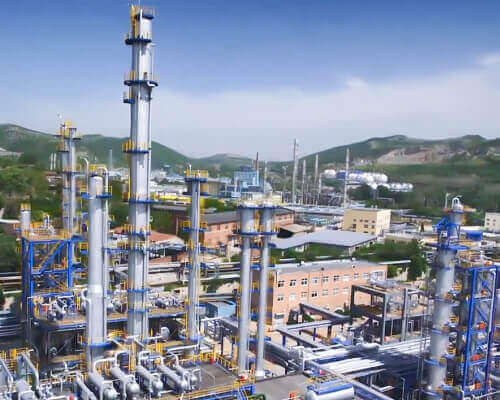
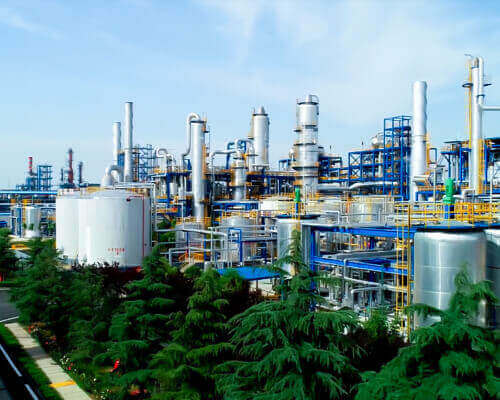
The global energy market has recently been volatile, with escalating geopolitical tensions in the Middle East pushing up international crude oil prices and driving a general price increase across the global petrochemical industry chain. In this upward cycle, Qixiang Tengda, a leading global C3 and C4 deep-processing enterprise, has leveraged its comprehensive industry chain layout, world-leading production capacity, and core technological strength to accurately seize market opportunities and achieve a breakthrough in performance amidst the complex global market environment, becoming a prominent growth benchmark in the global petrochemical industry.Stepping into Qixiang Tengda's modern industrial park in Zibo, Shandong, the high-speed operating production facilities, orderly work sites, and shuttling transport vehicles paint a picture of bustling full-capacity production. Amidst the crisscrossing pipelines, this world-class chemical base with an annual comprehensive capacity exceeding 3 million tons is operating at a stable operating rate of over 90%, ensuring the supply of products to the global market."Currently, the company's core facilities are all operating at high and stable levels, fully seizing market opportunities," said Sun Qingtao, Party Secretary and General Manager of Qixiang Tengda. In this round of market upturn, Qixiang Tengda's core products, including maleic anhydride, methyl ethyl ketone (MEK), and methyl tert-butyl ether (MTBE), have all seen significant price increases, providing strong support for the company's performance growth. As the world's largest producer of MEK and the world's second-largest producer of maleic anhydride, Qixiang Tengda's leading position in the global C4 deep processing sector is the core strength that allows it to capitalize on this round of industry dividends.Market opportunities always favor prepared companies. With over two decades of experience in the petrochemical industry, Qixiang Tengda has consistently focused on three core sectors: high-end chemicals, new materials, and fine chemicals. It has built a complete industrial chain covering catalysts, C3, and C4 production, forming a fully digitalized development pattern encompassing "R&D innovation - standardized production - global marketing."From an industry chain perspective, Qixiang Tengda has established a complete closed-loop industrial chain, from raw material deep processing to the production of high-end new materials, creating a rich and diversified product matrix covering dozens of high value-added products such as methyl ethyl ketone, maleic anhydride, propylene, propylene oxide, butadiene, cis-butadiene rubber, and nitrile latex. This comprehensive product portfolio not only helps Qixiang Tengda effectively mitigate the market volatility risk of a single product but also allows for simultaneous growth across multiple products during industry upswings, maximizing performance elasticity. Simultaneously, Qixiang Tengda continuously focuses on process optimization and cost control, leveraging its large-scale production capacity and globally leading manufacturing processes to build a strong cost advantage and pricing power in the global market, maintaining stable profitability even in the face of significant market fluctuations.“We never blindly chase short-term market trends but instead focus on long-term development, continuously improving our entire industry chain layout and enhancing our core technological strength. This is the core strength that allows Qixiang Tengda to cope with global market changes and seize development opportunities,” said Sun Qingtao.Faced with a complex and volatile global market environment, Qixiang Tengda accurately seized market opportunities, dynamically optimized production scheduling and global sales rhythm, and prioritized the production and global delivery of high-profit products. Simultaneously, it strengthened dynamic inventory management, flexibly adjusted raw material procurement strategies, and effectively hedged cost risks from crude oil price fluctuations through diversified procurement channels and raw material price locking, ensuring stable and orderly production and operations.While consolidating its leading position in the global C4 industry chain, Qixiang Tengda consistently drives the upgrading of its product structure towards high-end products through technological innovation, continuously expanding the production capacity and market share of high-value-added fine chemical products. Recently, Qixiang Tengda's aldehyde series chemicals project successfully commenced production. Its independently developed high-end fragrance products, Xinyang Jasmine Aldehyde and Anisyl Propionaldehyde, broke the overseas technological monopoly and filled a gap in the domestic industry. The product yield is 5-10 percentage points higher than mainstream overseas processes, achieving a breakthrough in domestic substitution in the high-end fine chemical field.Regarding core technology self-sufficiency, Qixiang Tengda has continuously increased its R&D investment in the catalyst field, successfully breaking the technological monopoly of overseas companies and creating a completely independent catalyst innovation brand. The related technologies have cumulatively generated over 100 million yuan in benefits for the company. Meanwhile, Qixiang Tengda's subsidiary, Qilu Keli, has completed the ignition and furnace baking of its 8,000-ton/year high-performance catalytic new material project, which will further promote the domestic substitution of high-end catalysts and solidify the core technology foundation for the company's expansion into high-end fine chemicals and new materials.Standing at the forefront of the global petrochemical industry transformation, Qixiang Tengda will continue to cultivate its advantages across the entire industry chain, drive high-end upgrading through technological innovation, continuously consolidate its leading position in the global market, and build a world-class high-end chemical and new materials enterprise with global competitiveness.

Read More
Zibo Qixiang Tengda Chemical Co., Ltd. Address: A high-level hub for the C3 and C4 industrial chains, with high-load and stable production.
2026-03-17

Zibo Qixiang Tengda Chemical Co., Ltd. Address: A high-level hub for the C3 and C4 industrial chains, with high-load and stable production.

You rarely see the phrase “high-load and stable production” in the chemicals business without a good reason. Zibo Qixiang Tengda has carved out a name where tough reliability trumps silver-tongued marketing. The company’s address places it deep inside Shandong, the stuff of industrial poster boards, but high-output plants aren’t built for looks. Bridges of pipelines and the rumble of reactors become the background beat—here, access to C3 and C4 isn’t wishful thinking, but a promise kept shift after shift. These aren’t chemistry buzzwords, either. C3 usually means propylene, the heart of making plastics. C4 points to butadiene and its chemical cousins, a world running from synthetic rubbers to fuel additives. Both are building blocks hiding in everything: car tires, detergent, medical equipment, every strip of stretch film wrapping fresh produce. Production hiccups send waves all the way through consumer and industrial supply chains. High-load, stable output doesn't just impress accountants. It anchors livelihoods, keeps trucks rolling, secures downstream factories—sometimes across continents.In any process industry, it’s easy to underestimate what “running flat out, day in, day out” actually takes. Consistent operation isn’t only about keeping the machines moving. It runs deeper—careful maintenance schedules, a tight grip on process control, deep pools of local talent. Factories like Zibo Qixiang Tengda don’t get there by chance. They attract technical teams who know the smell of hot solvents and can hear a compressor’s cough before it becomes a problem. During my years following China’s industrial giants, I’ve seen smaller sites trip over strikes, blackouts, all sorts of supply chain chaos. Zibo’s story is different. Here, upstream producers and downstream users don’t lose sleep over unreliable partners. The chemical world thrives on certainty, and Tengda’s discipline doesn't just fill order books—it assures international partners that contracts get honored. The shift bosses know they aren’t just counting tons. They’re counting on years of trust built by doing the simple, hard thing right: showing up and running well.The domino effect of stable feedstock supply ripples through neighborhoods and nations alike. Large chemical hubs like Zibo keep thousands employed, whether directly mixing batches or driving loads to port. It’s not just about jobs, though. Imagine hundreds of satellite businesses—cylinder refurbishers, maintenance crews, logistics outfits—knowing every quarter they’ll see a steady flow of work. At the world scale, steady output sighs relief into jittery plastics and rubber markets. Industrial users in Southeast Asia, Europe, or the Americas don’t have to scout for emergency supplies, scramble for spot deals, or gamble on fluctuating quality. Companies downstream can lock in multi-year expansion plans, invest in new lines, and reassure their own customers. It’s the type of invisible stability few mention, but everyone benefits from.If you’ve ever watched the inside of a large plant, those images burn in: pipes streaming steam, scaffolding perched twenty meters high, technicians covered in the grime of a double shift. There’s a cost to great output—a constant battle against wear, corrosion, tight regulations, and rising environmental scrutiny. No company can coast on yesterday’s methods. Emerging standards keep moving the bar on emissions and waste, and public concern over environmental safety grows each year. Take propylene and butadiene, for example—both come with significant emissions footprints if not tightly managed. Chemical clusters like Zibo have seen their share of public complaints, sometimes leading to localized protests or stricter inspections. Both the government and industry insiders are well aware that true long-term stability comes only with investment in greener processes and transparent communication with nearby communities.Answering these challenges takes more than just cost-cutting or tech jargon. Automation offers some relief. The next leap for Zibo and similar hubs involves blending digital process controls with the sixth sense built by decades of plant-floor experience. Cutting-edge catalytic technology can squeeze more product from every unit of feedstock and cut down waste. Part of the solution lives outside the plant: building honest, two-way relationships with local governments and residents bolsters not only the company’s reputation, but also secures its social license to operate. The real work continues at a personal level. Every manager who invests in training young technicians, every operator who refuses to cut corners, every engineer tinkering with process upgrades helps write the ongoing success story for China’s industrial clusters. Watching how these choices play out—day by day, crisis by crisis—will decide not just Zibo Qixiang Tengda’s future, but the shape of high-tech manufacturing in Asia for years to come.

Read More