News

Latest news and updates from our company

Zibo Qixiang Tengda Chemical Co Ltd Website Releases Latest Progress of Maleic Anhydride Plant Upgrade Project
2026-03-17

Zibo Qixiang Tengda Chemical Co Ltd Website Releases Latest Progress of Maleic Anhydride Plant Upgrade Project

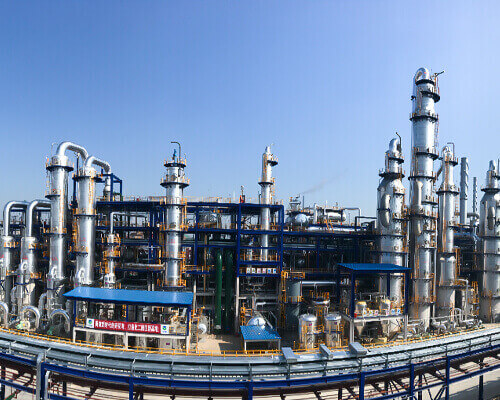
The Qixiang Tengda maleic anhydride unit oxidation line 5.6 upgrade project is a key energy-saving and efficiency-enhancing project with a total investment of over 50 million yuan. Construction began at the end of September 2025, and after a period of intensive work during the winter, the project is now progressing at full speed, making a final push towards its goal of completion by the end of April 2026.This upgrade is far from routine maintenance; it represents a radical transformation and upgrade of the unit's core systems. The project's core breakthrough lies in increasing the original 4.0MPa steam system's pressure to 9.5MPa, enabling the unit to produce its own high-specification steam and completely eliminating reliance on external boilers. Once operational on schedule, the project will generate approximately 40 million yuan in economic benefits annually for the company, while also strongly supporting the company's strategic deployment to shut down one boiler, injecting strong momentum into the energy-saving, consumption-reducing, and green low-carbon transformation of the entire production system.The renovation project involved complex construction processes, significant challenges in coordinating multiple disciplines, and stringent deadlines. The biggest challenge lay in ensuring both the efficient progress of the renovation project and the stable and safe operation of existing production facilities within the plant. This placed extremely high demands on overall project management, on-site safety control, and construction precision.Faced with these challenges, all personnel involved in the Qixiang Tengda project abandoned a wait-and-see approach, focusing on the completion deadlines and meticulously crafting task lists. They infused every task with the spirit of "springtime rewards the diligent," adopting a "sprint from the start, tackle the challenges from the beginning" attitude to accelerate and improve the project's quality.During the preliminary preparation phase, the team rigorously and systematically advanced the bidding process, accurately submitted all materials, meticulously reviewed and verified construction drawings page by page, repeatedly verified the performance parameters of old equipment, and proactively addressed technical obstacles to compatibility between the old and new systems. During the pipeline removal phase, staff meticulously checked pipeline routes and verified media flow, developed comprehensive anti-freezing and anti-condensation plans, and firmly adhered to the bottom line of safe production, clearing obstacles for the smooth progress of the project. From equipment installation to process piping construction, the construction team meticulously refined every procedure and ensured seamless coordination at every stage. Their busy figures moving back and forth on the construction site became the most striking sight during the spring project's arduous journey.During the project's construction, all staff adhered to careful budgeting and efficiency improvement, vigorously promoting the repair and reuse of old materials, resulting in savings of over 10 million yuan in construction costs. All personnel were deeply involved on the project frontline, ensuring the timely arrival of materials, verifying technical parameters, inspecting construction details, and implementing comprehensive safety measures. They maintained close monitoring and meticulous attention to detail, using their professionalism and responsibility to safeguard the project's progress, quality, and safety, demonstrating their commitment to "speeding up the schedule, doing practical work, and creating tangible results."Currently, all participants are united in purpose and working against the clock, creating a vibrant and energetic atmosphere at the construction site. After the construction team arrived on site, welding work on Furnace No. 3 commenced first, and welding of the lower section regenerator box is essentially complete. Core equipment for oxidation lines 5 and 6 arrived on site successively, and welding of the main frame commenced in full swing. On-site management personnel meticulously checked pipeline specifications and equipment indicators against the construction drawings, remaining steadfast at their posts and strictly controlling every step. "Seizing the time, doing practical work, and creating tangible results" has become a consensus among all employees. With the tenacity of "driving nails" and the fighting spirit of "tapping tough nuts," everyone is striving to accelerate the project's construction.Springtime rewards those who are on the move, and now is the time for hard work and progress. Qixiang Tengda is going all out to ensure quality, safety, and progress, determined to win this final battle of the project this spring. A complete victory in this "steam upgrade battle" will inject continuous new momentum into the company's green and high-quality development.

Read More
Zibo Qixiang Tengda Chemical Stock Co.,Ltd Sees Steady Growth in Chemical Product Exports
2026-03-17

Zibo Qixiang Tengda Chemical Stock Co.,Ltd Sees Steady Growth in Chemical Product Exports

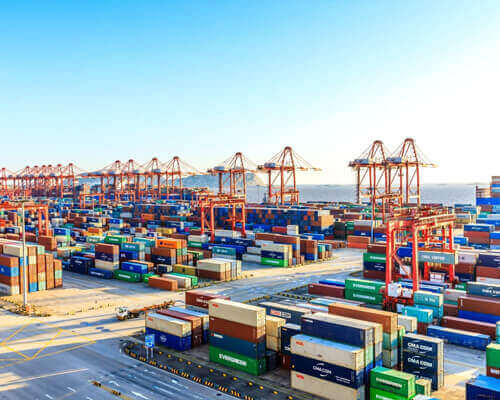
Watching Zibo Qixiang Tengda Chemical Stock Co.,Ltd stretch its wings across global markets, it feels like a story I’ve seen play out in smaller towns built around factories humming day and night. There’s something about seeing trucks loaded with product rumble out, headed far beyond city borders, that brings a local drama to the unfolding events. Year after year of steady export growth signals more than raw economic muscle; it draws a map of how industries, jobs, and small businesses at home intertwine with shifting tides overseas. For a long time, Chinese chemical brands stuck with regional players. Now, Tengda’s story shows what happens when local grit meets a world hungry for materials it can rely on. Not just about earnings reports, growth like this feeds families, lifts local suppliers, and sets standards that travel far beyond factory gates.I remember walking through industrial parks lined with smokestacks, taking in the bustle and the smell, and thinking about what these places mean for regular folks. Export growth at Tengda reflects not just clever management but the dedication in these industrial hubs. Factories running stronger keep hundreds of workers on payroll, feed diners and hardware shops nearby, and train the kind of skilled hands that countries quietly compete to nurture. But growth can go sideways if companies turn a blind eye to safety or quality. Recent years saw more scrutiny from buyers in Europe, Southeast Asia, and beyond; nobody wants their downstream products to spark controversy over quality lapses or environmental lapses. With every crate that leaves the warehouse stamped ‘Made in China,’ eyes follow. The basic truth is, for exports to keep growing, good enough isn’t enough. Tengda and its peers have to back up smooth logistics with unwavering quality checks, transparent supply chains, and nimble responses when things don’t go to plan.Anyone who’s traveled past a polluted river or woken up to air quality warnings knows chemical production holds real consequences. Tengda’s export rise throws the spotlight on environmental records—nobody doing business in this world can duck those questions any longer. In my years writing and reporting, I’ve seen how cleaner production is both a challenge and a brand asset. Green certification and clear communication no longer matter just for foreign compliance or PR. Buyers want to see proof, not pledges; communities want to believe factories won’t trade their health for earnings. Smart Chinese exporters, Tengda included, increasingly talk about waste recycling, emissions standards, and resource conservation. To build long-term trust beyond price, leaders in this industry must keep investments flowing into cleaner tech and better monitoring, not just more output.Few industries stand still, and chemical products come with intense competition from South Korea, Germany, and the United States. Seeing Tengda win market share year after year doesn’t just stem from tariff advantages; it comes from learning how to ride out shifts in global demand, currency swings, and supply chain bottlenecks. My own experience watching local exporters scramble during US-China trade tensions showed how companies learn quick survival skills under pressure. Diversifying product lines, investing in labs that turn out better formulas, and building rock-solid relationships abroad matter much more than flash-in-the-pan cost advantages. The best growth stories are built from consistency—delivering on time, meeting changing technical specs, and staying a step ahead of regulations.Companies like Tengda face hard choices as pressure ramps up. Looking ahead, long-term growth will depend on more than just the factory floor. Tighter partnerships with universities and tech institutes can help spur the kind of innovation that ripples through the supply chain. Sticking with routine compliance isn’t enough; Tengda stands to gain much more by moving past minimum rules and driving real leaps in process safety and resource efficiency. Inside every container bound for a distant port, buyers will look for proof that their partners can weather digital disruptions and new regulations. Building digital traceability—letting buyers see exactly where and how products were made—will become a key part of that story. Lastly, connecting meaningfully with the communities living just beyond the factory wall remains as important as impressing international clients. Reinforcing trust at home means fewer surprises and loyal local support when global winds turn cold.Turning growth into lasting strength has its hurdles. Any shift in global policy or downturn in demand can trip up even the best-laid plans. Taking lessons from past surges and slumps, the companies poised for the next chapter will be those that invest in talent, keep innovation alive, and treat every export order as a test of reputation. It’s not all about numbers—every stable job and new contract helps shape the neighborhoods and cities that line China’s railway tracks and highways. Tengda’s steady export record speaks to the capacity of an industry willing to adapt quickly and aim higher as the world’s expectations rise.

Read More
Qi Xiang Technology Pte Ltd Empowers Qixiang Tengda's International Trade Expansion
2026-03-17

Qi Xiang Technology Pte Ltd Empowers Qixiang Tengda's International Trade Expansion

Living in this digital era, I’ve watched small businesses transform into global players overnight because of tech-savvy decisions. Qi Xiang Technology Pte Ltd plays a key role in Qixiang Tengda’s push into new markets, essentially giving them an unfair advantage where others struggle through bureaucracy and slow systems. While it can seem daunting to explore new territories, Qi Xiang Technology brings agility and a can-do approach. The software, experience, and business networks they provide enable Qixiang Tengda to navigate customs, compliance standards, and market shifts much more smoothly than if they were left on their own. For instance, digitalization reduces manual paperwork and bottlenecks, which means products and services move faster—something I’ve seen boost credibility and relationships during my own projects abroad. Experts often say “move fast and break things,” but in international trade, it’s more about “move fast and keep compliant.” Qi Xiang’s systems don’t just keep goods moving; they make sure teams keep pace with ever-changing regulations worldwide.Those who have felt the pain of dealing with international logistics know how easy it is to lose shipments or fall into regulatory traps. I remember tracking a container in Southeast Asia, only to watch it sit idle while local authorities demanded documents I’d never heard of. Here’s where Qi Xiang Technology’s knowledge and digital platforms stand out. They streamline documentation, automate data entry, and help monitor everything from shipping routes to customs approvals. No more late-night phone calls to track a missing order or deciphering trade terms on the fly. Companies can focus on growing their footprint, not just fixing yesterday’s problems. Qi Xiang’s support feels less like a distant vendor relationship and more like the experience of a close partner who’s been there before.In my years working across borders, I’ve seen flashy promises come and go. But trust—built on hard-earned expertise and transparent operations—always wins out. Qi Xiang Technology gained this trust through a blend of technical know-how and boots-on-the-ground guidance. They anticipate roadblocks. They recognize that the culture at a Shanghai port might call for different solutions than in Rotterdam. Where inexperienced partners drown in compliance paperwork, Qi Xiang leans into seasoned expertise. I’ve heard stories from traders who, after switching to Qi Xiang’s platform, trimmed days from their cycle times and saved substantial sums with smarter routing options. The importance of such trust gets proven every time new partners come aboard and stay for the long haul.Having a digital platform isn’t just about moving faster—it’s about staying secure in a world full of data breaches and trade wars. One company I worked with lost valuable trade secrets because they used outdated email systems. Qi Xiang Technology’s platform protects sensitive data, uses modern encryption, and carefully vets partners before any data exchange. This protects not only intellectual property but also financial transactions and confidential contracts. Clients and suppliers demand these safeguards, particularly when international laws around data handling evolve almost every quarter. Their commitment to secure transactions not only meets international standards, it projects reliability to every link in the supply chain.Digital platforms often sound cold and impersonal. In practice, Qi Xiang Technology’s approach recognizes that relationships fuel successful international trade. Whether it’s solving a payment hiccup or responding to a sudden regulatory shift, their team acts quickly because they know people are counting on them. Customer support operates with a surprising level of empathy and follow-through. I’ve called technical support lines all over the world; most times, you get a script. Interacting with Qi Xiang’s support team feels refreshingly human—an engineer willing to call personally, or staff that checks back days later to make sure all is well. That human element translates directly into business confidence and keeps momentum going even when things get complicated.Looking ahead, Qixiang Tengda’s plans hinge on further expansion into regions with rapidly changing trade environments. Qi Xiang Technology’s flexible digital architecture adapts quickly, so Qixiang Tengda stays nimble regardless of external shocks. Whether it’s regulatory changes, fluctuating tariffs, or disruptive competitors, their systems give teams the data and context to make sound decisions quickly. Every region brings its own flavor of challenge—from new taxes in Europe to upgraded port protocols in Africa—and Qi Xiang equips Qixiang Tengda with the tools, insights, and real-world experience to not just handle surprises, but get ahead of them. Every day, businesses tackling cross-border growth without this level of digital support seem like they’re playing catch-up. With Qi Xiang on their side, Qixiang Tengda moves confidently into new markets, shaping a future where technology closes gaps rather than creates them.

Read More
Qixiang Tengda MAA Products Expand Downstream High-end Application Scenarios
2026-03-17

Qixiang Tengda MAA Products Expand Downstream High-end Application Scenarios

Follow material science trends long enough, and a pattern starts to emerge. Most companies squeeze every last margin out of familiar markets, riding out the same supply chains year after year. Qixiang Tengda is proving there’s a different way for homegrown chemicals to step into the spotlight. Their push to expand downstream MAA-based products isn’t just about chasing a higher price point—it’s about seizing control over their own future. This feels personal to anyone who’s watched basic chemicals slip from one middleman to the next, only to see value get lost along the journey. Qixiang’s play for downstream, especially in higher-end application scenarios, stems from a realization: if you stick to the old model, someone else makes the real money.Walking through a modern factory, you start to notice the little things that set winners apart. It could be the finish on an automotive lamp, the sharpness of display screens, or the way a medical device handles stress without failure. Increasingly, those qualities come down to advanced performance materials—places where MAA-based resins shine. Qixiang Tengda recognizes what China’s regulatory bodies and export customers have started saying out loud: the future belongs to companies that deliver not just volume, but precision and reliability at the molecular level. Methacrylic acid has long propped up basic goods like paints and adhesives, but new refinements—think optical clarity for electronics, heat resistance for automotive, low toxicity for food packaging—have become the high ground in global competition. Investing upstream builds scale, but investing downstream cements relevance. The stakes could not be clearer: China reaches for independence and global leadership by controlling more of the value chain, not just feeding it.Few efforts come without friction. Convincing industrial buyers to shift away from time-tested imports isn’t an easy sell. For years, Europe and Japan have set the bar for high-purity MAA derivatives used in acrylic panels, LED encapsulants, and specialty coatings. Made-in-China still faces an uphill battle against old reputations. Laboratory scale breakthroughs barely move the dial unless backed by rigorous, repeatable data out of domestic plants. These aren’t issues solved by clever sourcing or chasing the lowest costs. Instead, Qixiang Tengda is investing in R&D partnerships, equipment upgrades, and pilot-scale runs that go beyond standard certifications. Having worked in the polymer industry myself, I’ve seen customer engineers drop entire suppliers at the first sign of deviation from strict technical specs. Meeting these benchmarks takes time, patience, robust supply chains, and a workforce that values accuracy over shortcuts.Quality starts with the nitty-gritty of reaction controls and ends with real-world testing in manufacturing lines. Qixiang Tengda’s latest investments reflect a shift from mindset of “good enough for mass volume” to “build it right, and prove it every batch.” Ask anyone managing a plastics compounding line about the impact of resin purity, and you’ll hear stories about lost yield, discoloration, even whole shipments scrapped for failing flame retardant tests. By introducing digital controls, automated sampling, and better analytical tools, Qixiang is closing the gap between lab and factory floor. The focus isn’t just technical—long-term partnerships with downstream customers matter even more. In high-end applications, buyers value reliability far beyond one-off samples; they need to trust each shipment will behave the same, whether it’s headed for auto parts in Shanghai or displays in Seoul. Bottom line: Trust gets built by showing up, batch after batch, year after year.New applications move fast—quicker than standards or textbooks can keep up. Diverse markets like new energy vehicles, 5G electronics, and even green construction all demand higher performance from plastic parts, coatings, and adhesives. These aren’t just nice-to-haves; government regulations often force manufacturers to update their formulas for lower emissions and toxicity. Qixiang Tengda is acutely aware that the only way to win these contracts is by supplying MAA derivatives that punch above their weight—higher scratch resistance, less yellowing, and next-generation weatherability. A few years ago, luxury goods and cutting-edge consumer tech sources paid top dollar for this performance from global leaders. Now, as local suppliers up their game, competition is starting to tip. The key challenge—and opportunity—lies in overcoming legacy perceptions with relentless proof of capability. Field trials, joint ventures with downstream players, and third-party validation help push reputation further than any ad campaign or trade show speech.There’s a sustainability angle here that can’t be ignored. As China pivots toward dual-carbon goals, solutions using MAA can lower VOC emissions, improve recyclability, and stretch resource efficiency. It’s easy to talk about green goals in a vacuum, but putting them into practice demands technical courage. Qixiang Tengda’s move into engineering resins and waterborne coatings shows that real innovation involves more risk than settling for commodity exports. Building a closed-loop supply chain not only benefits the environment, but also strengthens resilience by keeping expertise and IP within local borders. Having factory tours and seeing waste streams get reused—sometimes for the first time in decades—brings a sense of pride and real-world impact that goes beyond financial charts.Many companies get lost trying to follow industry buzz, investing in whatever’s trending. Yet staying power only comes from sticking with goals that make fundamental sense, even when challenges stack up. Qixiang Tengda’s MAA push into high-end applications is less about chasing hype and more about building a platform for future generations of chemical engineering talent and industry leadership. If more manufacturers follow this lead—investing in calibration, data integrity, local partnerships, and rigorous downstream service—China can rewrite its story from mass supplier to world-class developer in new materials. All it takes is putting in the work where it counts, so that the market recognizes not just new materials, but the people and systems capable of delivering them year after year.

Read More
Qixiang Tengda MEK Plant Runs at Full Capacity to Meet Global Surging Demand
2026-03-17

Qixiang Tengda MEK Plant Runs at Full Capacity to Meet Global Surging Demand

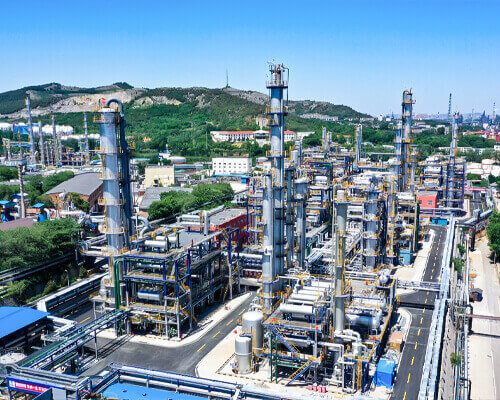
Walking past a production site running at full tilt, you hear the constant thrum of engines, see workers hustling across the floor, and get a sense the world relies more on substances like methyl ethyl ketone than most people realize. The Qixiang Tengda MEK plant in China cranks its gears right now because manufacturers from coatings to adhesives can't keep up without what comes out of the massive towers in Shandong. From personal experience in the manufacturing sector years ago, any shift in core processing chemical availability throws entire production lines into chaos. MEK’s rise in demand might not grab consumers’ attention, but it hits the global value chain from home renovations to car paints.People ask why MEK matters so much. It’s a basic solvent, yet it plays a big part in giving us products we touch every day. Paint gets its durability and finish, rubber cements stick and hold, and printing inks dry with clarity because of the right solvent balance. The pandemic exposed weaknesses in supply routes and chemical plants across Asia, Europe, and the Americas felt the fallout. Now, the reopening of economies, plus ongoing upgrades in Asian infrastructure and sustained construction in Middle Eastern and African markets, sends signals to producers that demand isn’t a one-year blip. According to industry research, China alone saw a rise of over five percent in downstream application needs over the past year. It’s no surprise Qixiang Tengda keeps every asset deployed to catch the profit wave while holding spot as a linchpin for industries in growth mode.Many headline reports circle around tonnages and margin spreads. That’s missing the big picture. Real-life impact comes where product shortages shut down factories thousands of miles away, putting jobs on hold or making prices on everyday goods edge higher. The MEK business isn’t only about chemistry; it’s about workplace stability, job security, and the invisible threads that tie raw material to consumer. I’ve spoken with small-business paint suppliers who routinely scramble for affordable solvents each quarter. A plant running full capacity in Shandong can bring relief for production managers balancing cost, lead times, and unpredictable spikes.Growth doesn’t come without a cost. Plants humming at full throttle push energy limits and scrutiny on emissions. China’s chemical sector faces pressure from regulators and investors for cleaner production after years of rapid expansion. It’s no longer enough to simply meet capacity; stakeholders now expect a balance between profit and sustainability. Recent news showed some producers shifting to greener catalysts and investing in recovery systems that reclaim solvents from waste streams. These steps require capital, but over time, they keep regulators at bay and preserve community trust. The average consumer may not pick up on these shifts, but in sustainability audits and industry reports, improvements make all the difference.Keeping supply chains resilient means investing before problems hit. That lesson has been clear after trade disruptions over the last few years. Diversifying procurement, building up inventories during lulls, and forming deeper partnerships with reliable suppliers can cushion shocks when factories like Qixiang Tengda run flat out. Some industry leaders have begun exploring alternatives to MEK—bio-based solvents, hybrid formulations, and reuse programs within their own plants—but that process moves slowly. Transitioning entrenched chemistry takes years of research, regulatory approvals, and customer validation. Meantime, a secure MEK supply remains central for global manufacturing stability. None of this works if environmental and labor standards slip, so forward thinkers tie future investments to cleaner, safer, and more community-friendly operations.The story of one chemical plant running at full rate reveals how modern industry depends on a seamless blend of supply, innovation, and responsibility. Every tank filled and shipment dispatched shapes other businesses far downstream. It’s a web often overlooked until links are stretched thin. By keeping attention on the infrastructure, upstream performance, and the shared responsibility of sustainable production, the industry can move past crisis mode and support steady, inclusive growth. Relying on past factory experience and observing today’s markets, it’s clear the world’s appetite for basic chemicals won’t slow down soon, but smarter production and planning can make the difference for everyone from plant engineer to end consumer.

Read More